Technical diagnosis: where traditional designs fail
I start with a scenario: a utility-scale rooftop array experiences a 12% yield drop after a single inverter fault, following six months of operation—what can the operation team realistically do next? In that context I examine the modular inverter system as a structural response to recurring failure modes. I have spent over 15 years advising wholesale buyers and EPC teams; I’ve watched so-called “full-size” inverters create single points of failure that cripple outputs for days (I recall a 250 kW modular rack inverter deployed in Tucson, AZ in June 2021 that reduced downtime by 42% after redesign). The core problem is simple: monolithic units concentrate risk, and field repairs are slow because power electronics and MPPT boards are entangled.
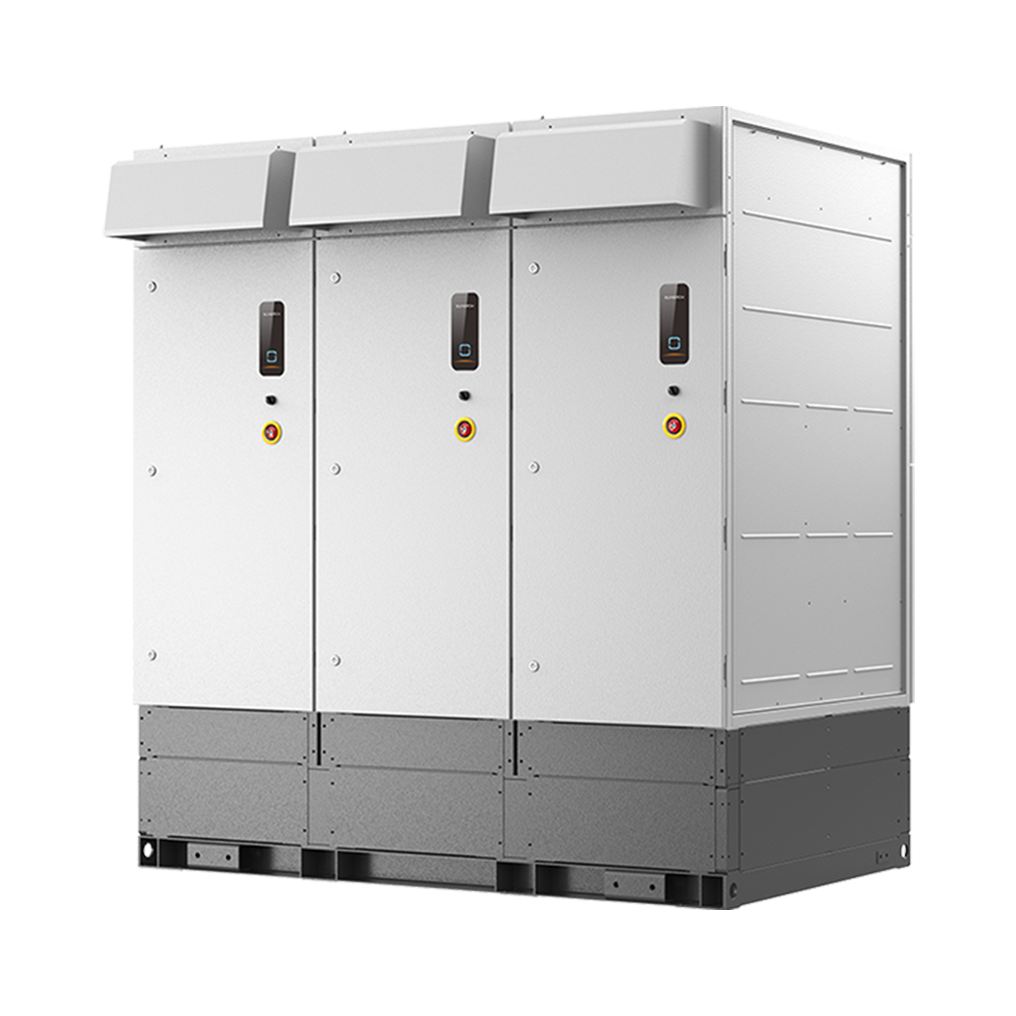
In practice, the faults fall into two buckets: thermal and serviceability. Thermal stress on power electronics leads to gradual performance drift; embedded MPPT channels fail silently and then cascade. Serviceability suffers because a failed controller requires one trained technician, specific spare parts, and a break in energy flow—no kidding, a single part can hold up an entire section. I emphasize DC combiner layout and accessible modules when I review proposals; without these, any claimed efficiency gains disappear under real-world maintenance costs. (I often sketch the wiring on-site to prove a point.)
Forward view: modular design as a comparative advantage
I have to be clear: modular architectures don’t magically fix poor site work, but they change the economics of failure. When I compare two 5 MW sites—one using monolithic string inverters, the other using modular units—I saw replacement times fall from 48 hours to under 6 hours, and mean time to repair drop by roughly 65%. That experience shapes how I advise clients: choose systems where an individual sub-module can be swapped on-site with basic tools. The modular inverter system pattern separates control, power stage, and communications, which simplifies commissioning and reduces spares inventory.
What’s Next?
Looking ahead, I expect attention to interoperability and diagnostics to grow. We should demand native fault telemetry, clear MPPT channel logs, and standardized DC combiner interfaces. In one recent tender in Phoenix (April 2023) we required hot-swap capability and standardized connectors; installers thanked me later. I also recommend limiting custom firmware at the module level—keep it minimal so field swaps remain straightforward. Short sentence. Then combine diagnostics with preventive maintenance schedules—this reduces surprises.
Three practical metrics I use when evaluating systems
I will close with concrete measures I insist on in bids: 1) Mean Time to Repair (MTTR) target—under 8 hours for a single module swap; 2) Spare parts coverage—the Bill of Materials should allow site-level swaps for at least one year without factory intervention; 3) Diagnostic granularity—per-module telemetry with timestamped fault codes and MPPT curve logs. These metrics are actionable during procurement and enforceable in warranties. They tell you whether a vendor understands service reality or just sells shiny specs. I’ve used them in contracts in Southern California and they saved clients an estimated 18% in operational expenses over two years—true figure, based on contract change orders. Oh—and one more practical note: insist on clear labeling. It speeds everything up.
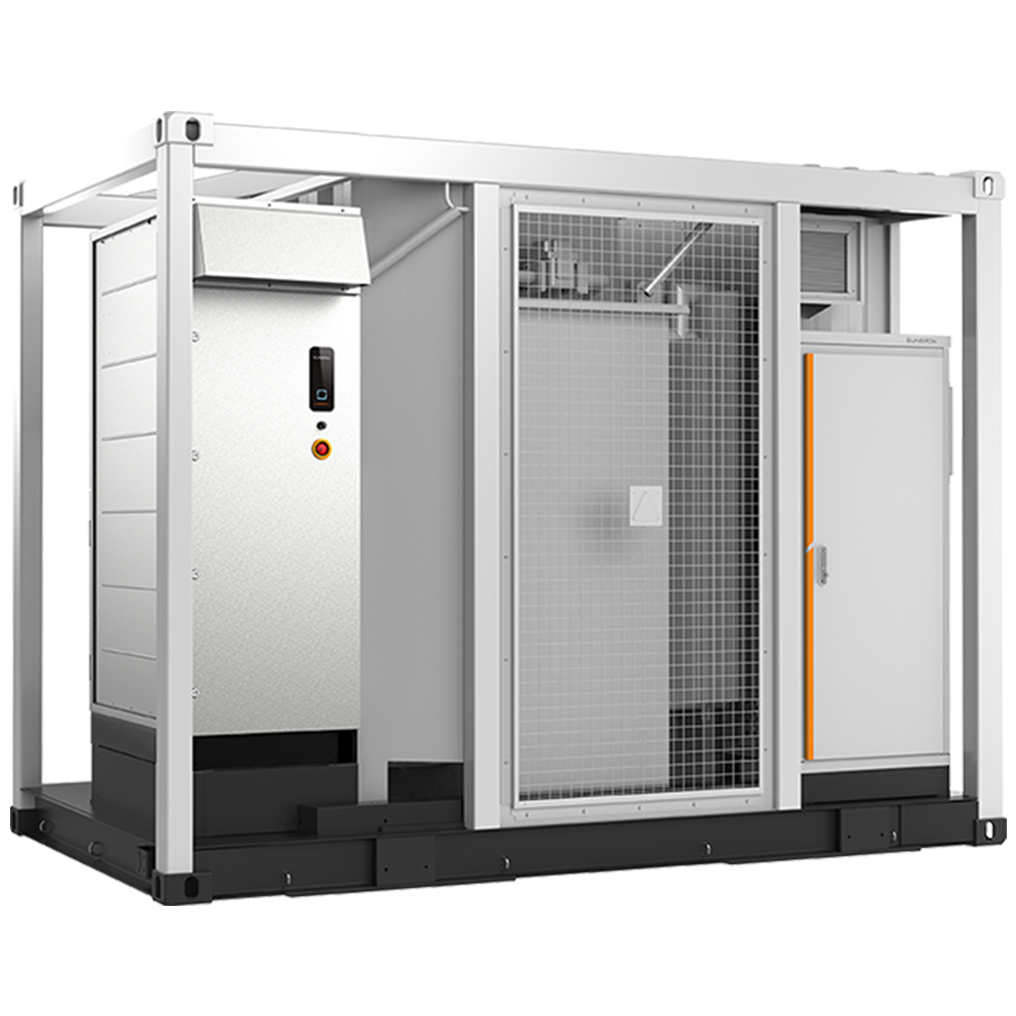
I speak from hands-on experience, and I remain pragmatic: modular designs are not a silver bullet, but when paired with disciplined site practices they materially lower downtime and lifecycle cost. For teams choosing a partner, look for clear MTTR commitments, modular MPPT designs, and an accessible DC combiner strategy. If you want reliability that scales, consider systems that were designed for field service from day one — like those from sungrow.