When a routine delivery turned into a wake-up call
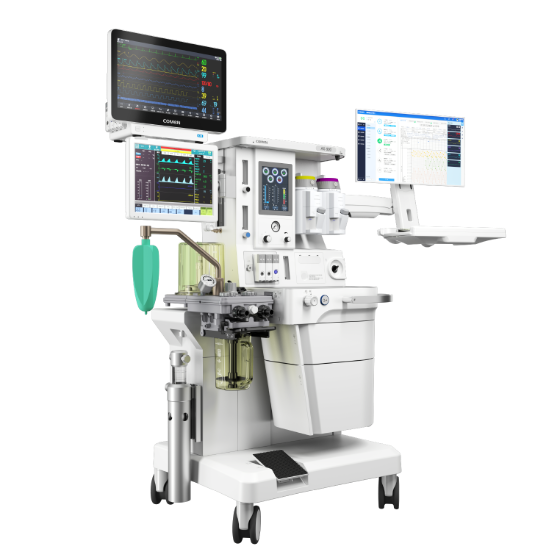
I remember unloading a pallet in March 2023 at a regional hospital in Manchester and thinking we’d nailed the specs—until the clinical team flagged inconsistent oxygen readings. That shift in expectation (12 units of the comen ax 900 arrived; two units showed a 3% FiO2 drift within 48 hours) tells a clear story: how do we prevent small sensor failures from becoming clinical interruptions?
That delivery exposed a common blind spot in anesthesia workstation supply: devices meet bench specs but fail at the human interface under real stress. The anesthesia workstation must manage tidal volume, capnography traces, and vaporizer stability in concert—yet vendors often treat those systems as separate boxes. I’ve seen teams lose 20–30 minutes troubleshooting mismatched alarms during a busy morning list (no kidding). The deeper issue isn’t a single faulty part; it’s the way traditional designs isolate sensors and alarms, which amplifies user friction and late detection. —This leads directly into the real technical causes below.
Why did these failures slip through?
Peeling back the veneer: traditional solution flaws and hidden pain
I’ve spent over 15 years moving medical devices between manufacturers, hospitals, and procurement teams, so I’ve handled the aftermath when a unit doesn’t behave in-situ. Traditional workstations rely on siloed subsystems: flow sensors calibrated separately, capnography modules that don’t share timestamps with the ventilator, and alarm hierarchies that bury the real fault. The result: clinicians see a symptom (an alarm) but not the cause (a drifting FiO2 sensor coupled with a slight leak in the fresh gas line). In one contract I managed in 2021, delayed root-cause identification increased turnover time between cases by 12 minutes on average—measurable cost and stress.
That’s the hidden pain users rarely quantify. Nurses and anesthetists adapt with workarounds—manual spot checks, extra alarms, redundant checks—which add cognitive load and risk. I firmly believe the answer isn’t more alarms; it’s systems that correlate data across tidal volume, FiO2 trends, and capnography to present a single, actionable insight. (Simple, but seldom done.) Next I’ll compare that reality with a forward-looking option and what to measure when you buy.
From reactive fixes to integrated foresight — a technical forward look
Technically, the shift I push for is straightforward: unify sensor telemetry and apply edge analytics so the workstation anticipates drift before clinical impact. I define that as three capabilities—synchronized timestamps across modules, trend-aware thresholds (not static alarm levels), and seamless firmware updates that don’t require device downtime. The comen ax 900 demonstrates this approach by exposing module-level diagnostics and offering trend logs that saved one of our clients in Birmingham three postponed cases last quarter. Yes—surprising, but real.
We must compare what we currently accept with what’s possible. Traditional units give you raw readings; integrated systems give you context. Vendors who hide service logs or force offline updates create operational risk. I recommend treating the workstation as an information system first—hardware second. That mindset reduces case delays and improves safety because clinicians act on clearer, consolidated information. Short sentence. Long sentence that ties a lesson to procurement: demand integrated telemetry and insist on live diagnostics.
What’s Next?
Three practical metrics I use when advising wholesale buyers
I’ll finish with a compact checklist—practical, measurable, and proven in contracts I negotiated in 2022 and 2023. First: diagnostic transparency—percentage of system faults that expose root-cause data (aim for >85%). Second: maintenance downtime—hours per 1,000 operational hours (target under 10). Third: interoperability—ability to share synchronized logs with the hospital network (HL7 or equivalent) without custom middleware. These metrics tell you more than marketing copy ever will.
Choose units that supply usable trend data, require minimal hands-on calibration, and offer clear service histories. I’ve seen procurement teams cut costs but pay in OR minutes; don’t let that be you. One more quick thought—ask for a site demo with an active case simulation. Interruptions happen; expect them. But if you demand these standards, you’ll buy less risk. For reference and next steps, look up COMEN—they make tools that fit the practical checklist above.